


RENOVATING A CALIFORNIA BUNGALOW: THE 2026 DESIGN GUIDE

Updated: Apr 30
Whether you’re in the leafy streets of Melbourne’s inner east, the coastal pockets of Sydney, or the character-filled suburbs of Perth, there is one architectural style that holds a special place in the Australian heart: the California Bungalow.
Known affectionately as the 'Cal Bung', these homes are more than just bricks and mortar. They represent a pivotal shift in Australian history—a move away from the formal, rigid Victorian and Edwardian eras towards a more relaxed, earthy, and family-centric way of living. But as we move into 2026, many of these hundred-year-old gems are feeling their age. They can be dark, draughty, and disconnected from the gardens they were meant to celebrate.
If you’re planning a renovation, you’re likely balancing two competing desires: a deep respect for the home’s heritage and a desperate need for a 21st-century lifestyle. This guide is designed to help you navigate that tension. From the latest 2026 design trends and regional Newcastle nuances to the "camelback" extension strategy and strict heritage rules, here is everything you need to know about renovating a California Bungalow in Australia.
The Fundamentals of Renovating a California Bungalow: Anatomy & Heritage
Before you pick up a sledgehammer, you need to understand the "bones" of your home. The California Bungalow arrived in Australia around 1913, heavily influenced by the American Arts and Crafts movement. Unlike the ornate lace-work and verticality of the Victorian era, the bungalow was about craftsmanship, natural materials, and a "grounded" horizontal silhouette.
Key Features to Preserve:
The Gabled Roof: The signature low-pitched roof with wide eaves, often featuring decorative timber shingles or "brackets" that suggest a handmade quality.
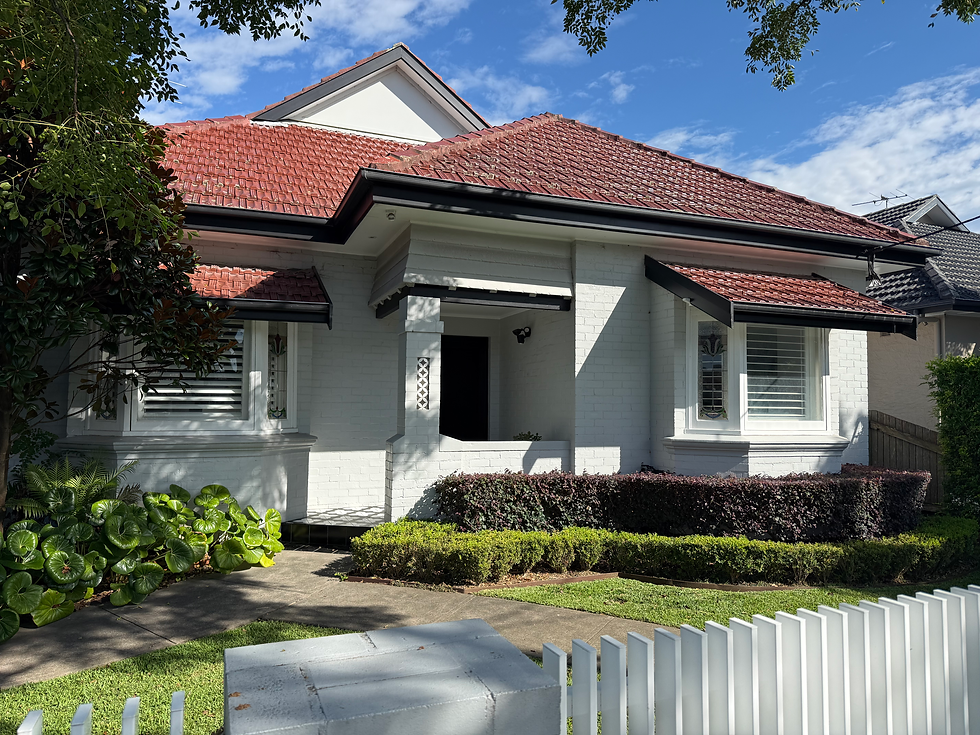
Pylons and Verandahs: Heavy masonry or brick piers—often tapered or "elephantine" in shape—supporting a deep, shady front porch.
Leadlight Windows: Unlike the floral Art Nouveau styles of the Edwardian era, bungalow leadlights often feature geometric, "Mission-style" motifs or simplified nature scenes.
Internal Woodwork: Dark-stained timber wall panelling (wainscoting), picture rails, and plate ledges are hallmark features that provide instant gravitas.
The "Bungalow Belt" Brickwork: In Melbourne, you’ll find the classic deep red brick; in Sydney, a darker "liver" brick; and in South Australia, a mix of limestone and brick.
Designer Tip for 2026: We are seeing a massive trend toward "Restorative Design." This means instead of ripping out old timber panelling or painting it white (the 2010s "Hamptons" look), we are light-sanding and refinishing it to a matte, natural look that celebrates the grain.
The Newcastle Connection: A Coastal Take on the Bungalow
When we talk about California Bungalows in Australia, we cannot ignore the incredible heritage stock in Newcastle, NSW. Suburbs like New Lambton, Hamilton South, and The Junction are home to some of the most pristine examples of this style in the country.
In Newcastle, the California Bungalow took on a slightly more coastal, breezy personality. Because of the city's history of heavy industry and mining, these homes were often built for the emerging middle class—managers and tradespeople who wanted a "modern" family home.
Why Newcastle Bungalows are Unique:
The "Hamilton South" Aesthetic: You’ll find wider blocks here than in Sydney’s inner west, allowing for more expansive verandahs and deeper setbacks that create a sense of suburban grandeur.
The "Newcastle Blue" Brick: Newcastle homes often feature unique brick blends, including the famous blue-black or dark chocolate browns that provide a stunning contrast to white-painted timber gables.
The Sea Air Factor: If you are renovating in Newcastle, your material choices are critical. Salt spray means you should opt for marine-grade stainless steel for any new hardware and high-performance external paints (like the latest 2026 mineral-based silicates) to protect your original timber from the coastal elements.
Renovating in Newcastle involves balancing the City Council's specific Heritage Conservation Areas (HCAs). Local designers are increasingly using "coastal-industrial" accents—think recycled brick and black steel—to bridge the gap between the bungalow’s 1920s roots and Newcastle's modern identity.
Navigating the Rules: Heritage Overlays and Permits
In Australia, many California Bungalows are protected by a Heritage Overlay (HO) or sit within a Conservation Area. This isn't a death knell for your renovation dreams, but it does mean you need to play by the rules.
The "Streetscape" Rule
Generally, councils are most concerned with what can be seen from the street. If your home is under an HO, you will likely need a planning permit for:
Changing external paint colours (councils often have a preferred "heritage palette").
Replacing a front fence with a modern alternative.
Any extension that alters the primary roofline when viewed from the front boundary.
The Sightline Requirement
If you are planning a second-storey addition, be prepared to provide a sightline drawing. Councils often require that the new addition be set back far enough that it is "invisible" or highly "recessed" when viewed from the opposite side of the street. This ensures the original silhouette of the bungalow remains the dominant feature of the streetscape.
Extension Strategies: The Camelback vs. The Pavilion
The biggest challenge with California Bungalows is the layout. They often have a central hallway with rooms branching off, leading to a small, dark kitchen and a "lean-to" laundry at the back. How do you add space without ruining the character?
The "Camelback" Addition: The Heritage Hero
One of the most effective ways to add space is the Camelback extension. This is a partial second storey added only to the rear of the house. From the street, the home appears to be a modest, single-storey bungalow. However, as you move through the home, the ceiling height rises, and a staircase leads to a "hump" at the back containing extra bedrooms or a master suite.
Benefits of the Camelback:
Council Approval: Because it sits so far back, it usually satisfies strict "sightline" requirements.
Privacy: It allows you to create a "parents' retreat" upstairs that is completely isolated from the noise of the main living areas.
Cost-Effectiveness: You aren't building a full second story over the entire house, which saves on expensive structural reinforcement of the front rooms.

The Rear Pavilion (Going Out)
This is the "Gold Standard" for Australian bungalow renovations. By demolishing the old lean-to and adding a high-ceilinged, glass-walled pavilion at the rear, you solve the light and flow problems instantly.
The Glass Link: Use a "glass link" or a slight narrowing of the hallway to transition from the old house to the new. This creates a "shadow line" that clearly separates the heritage section from the modern addition.
The Sawtooth Roof: In 2026, we are seeing many pavilion extensions using a sawtooth roofline. This echoes the gables of the original house but allows for high-level clerestory windows to flood the new living area with northern light.
Top Trends for 2026: The "Modern Bungalow" Aesthetic
What does a California Bungalow look like in 2026? We’ve moved past the "all-grey" minimalist phase and into something much warmer, more tactile, and more "lived-in."
Warm Minimalism & Earthy Tones
We are seeing a shift away from stark whites. Instead, think terracotta, clay, ochre, and sage green. These earthy tones perfectly complement the original red bricks and dark timber of a bungalow. Limewash paints and Venetian plasters are being used on interior walls to add depth and movement, mimicking the "roughcast" stucco found on many bungalow exteriors.
Wellness-Centric Spaces
The "Wellness Room" is the new must-have for 2026. This might be a dedicated meditation nook under an original bay window or a "mudroom" that acts as a transition zone between the outside world and the sanctuary of the home. These spaces focus on acoustics, soft lighting, and natural air filtration.
Mixed Materiality
The most successful 2026 renovations are mixing old and new with confidence.
Kitchens: Pairing original brickwork with sleek, fluted timber cabinetry and natural stone benchtops (think Taj Mahal Quartzite).
Flooring: While the original front of the house should celebrate its polished jarrah or tallowwood floorboards, the new extension might transition into a burnished concrete or a large-format terrazzo tile.

Expert Technical Tips for Renovating a California Bungalow in Australia
Renovating a century-old home always unearths some surprises. Here’s what to look out for:
Asbestos: It was the "wonder material" of the mid-20th century. If your bungalow had a 1950s or 60s makeover, there is a high chance of asbestos in the wet areas or eaves. Always get a professional audit before you start.
Subfloor Ventilation: Bungalows are notorious for rising damp. Ensure your vents aren't blocked by new landscaping or concrete paths. Good subfloor airflow is the difference between a healthy home and a mouldy one.
Thermal Efficiency: Original bungalows are basically wooden tents with no insulation. Look at retrofitting double glazing into your original timber sashes and blowing high-performance insulation into the ceiling and under the floorboards.
Metric vs. Imperial: This is a trap for DIYers. Original weatherboards and architraves are imperial measurements. Modern replacements are metric. You may need to have timber custom-milled to get a perfect match for your restorations.
The Heart of the Home: Kitchens and Bathrooms
When renovating these spaces, the goal is "Contemporary Classic." You want a kitchen that doesn't look like a spaceship landed in a 1920s house.
The 2026 Kitchen Palette:
Cabinetry: Simple shaker-style is being replaced by slim-shaker or fluted timber profiles that offer more texture.
Hardware: Swap the shiny chrome for brushed gunmetal, aged brass, or oil-rubbed bronze.
Lighting: Use "architectural" lighting—hidden LED strips under cabinetry combined with a statement pendant over the island that echoes the Arts and Crafts era (think hand-blown glass or hammered copper).
The 2026 Bathroom:
The Wet Room: Creating a combined shower and bath "wet zone" is a massive trend, especially in the smaller footprints of original bungalows.
Tiles: Move away from tiny subways. We are seeing a move toward Zellige tiles—hand-made Moroccan tiles with slight imperfections that catch the light beautifully and feel "heritage" in spirit.
Connecting to the Great Outdoors
The California Bungalow was originally designed to embrace the sun. In Australia, we do this better than anyone.
The Deck Transition: Aim for "flush threshold" flooring. This means the floor level inside is exactly the same as the deck outside. It makes the house feel twice as big.
The Landscaping: Complement the bungalow's sturdy lines with soft, native landscaping. Use silver-green foliage (like Westringia or Banksia) to contrast against the red brick.
The Modern Firepit: A sunken firepit area in the backyard is the 2026 version of the original bungalow fireplace—a place for the family to gather and tell stories.
Conclusion: Honouring the Past, Designing the Future
Renovating a California Bungalow - whether it's a coastal beauty in Newcastle or a heritage gem in Melbourne - is a journey of discovery. Yes, you will find some dodgy 1970s wiring, and yes, the Heritage Overlay might require a few extra meetings with Council. But the result is a home that has a soul - something a modern "cookie-cutter" build can never replicate.
If you're dealing with an older heritage property, check out our Federation Design Guide.
At Julie Evans Design, we believe that the best renovations are those where you can’t quite tell where the history ends and the modern luxury begins. It’s about balance, texture, and a deep respect for the craftsmen who laid those bricks over a century ago.

Want to see more? Download our ebook
Check out our new ebook, loaded with facts, figures, trends and all the information you need to get your head in the home renovation game.

Click on the image to download your copy now.
Julie Evans Design is a Newcastle based interior design studio and creator of beautiful spaces. We service the New South Wales areas of Newcastle, the Hunter Valley, Lake Macquarie and Port Stephens. Our goal is to make the potential of your space come to life, so much that it makes your heart sing when you're in it. Check out my interior design services, my bathroom design projects, learn more about me, kitchen design or bathroom design or contact me to have a discussion about your space and your needs.
Would you like to see more content like this, or be alerted when I publish new posts? Why not subscribe to Julie Evans Design and stay in touch with my news, announcements and future articles?


Comments